

You’ve watched the protagonist fight, struggle, run, hide, investigate, and survive for nearly two hours. They’ve finally defeated the antagonist, escaped danger, rescued whoever needed rescuing, or solved the mystery. The movie is over. Or is it?
Wait. The antagonist isn’t dead. The protagonist is still in danger. The mystery has one final twist. This is what is known as a false ending.
What Exactly Is a False Ending?
A false ending is a moment when the story seems to have reached its natural conclusion, only to reveal that there is still more story to come.
The concept behind the false ending is to intentionally make the audience believe the central conflict is over, only to surprise them with more. It’s a screenwriting device most commonly associated with horror, thriller, and action movies, but it can work in any genre.
The technique works well because audiences have been watching movies long enough to recognize the cinematic language of an ending.
- The villain has been defeated.
- The protagonist is safe.
- The monster is dead.
- The survivors head home.
We know when a movie or story feels like it’s over. But the best screenwriters and filmmakers know how to play with those audience expectations and use them to create a more cathartic experience.
However, there’s more to a good false ending than having the supposedly dead killer open their eyes for one last jump scare. The best false endings have some depth to them. They complete character arcs, provide one final thrill escalation, reveal additional story details, or force the protagonist to face one more conflict in a way they haven’t yet.
Here are three ways false endings work, and how you can use them effectively in your screenplays.
1. Make the Audience Believe the False Ending Is Real
The false ending needs to feel real. It needs to feel like a true ending to the story.
Don’t have your protagonist knock the killer down and then turn their back on them. Audiences aren’t going to believe the danger has passed. We’ve watched too many movies to the point where we sit there waiting for the killer to get back up for one last moment.
That’s not much of a false ending.
Look at Alien and its sequel Aliens for the perfect example of false endings done right.
Alien False Ending
In Ridley Scott’s sci-fi horror classic Alien, Ripley has spent the whole movie watching the xenomorph kill the whole crew of the Nostromo. One by one. By the climax of the film, she’s the sole survivor desperately trying to escape before the ship’s self-destruct sequence detonates.
She makes it aboard the shuttle. She escapes as the main ship explodes. The xenomorph was likely on the ship when that happened. The movie is over. We see and feel Ripley’s relief.
However, that was a false ending.
The xenomorph is on the shuttle with her. Both the protagonist and villain have survived. The story isn’t done yet.
This false ending works because we were so thoroughly convinced Ripley had escaped the threat. Had the movie itself been recut to end on that false ending, it would have worked.
Aliens False Ending
In James Cameron’s sci-fi action sequel Aliens, the director and screenwriter Cameron pulled off a similar trick. Ripley, Newt, Hicks, and Bishop escape LV-426 moments before the atmospheric processing station explodes. They’re aboard the Sulaco. They’re safe. Game over, right?
Wrong. Bishop is suddenly impaled by the xenomorph Queen, and Ripley must do what she can to survive and protect Newt from the Queen.
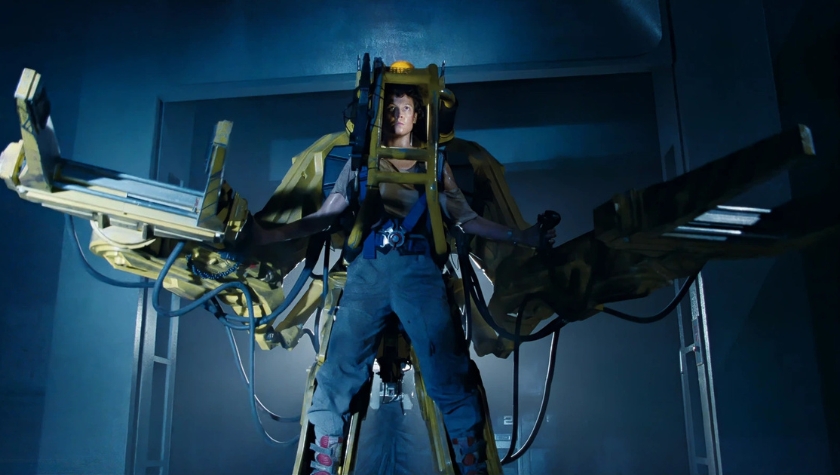
Once again, the false ending was actually great. The actual movie and story could have ended right when they escaped the explosion, or shortly after returning to the Sulaco. Instead, Cameron emulated the original Alien by offering a false ending of his own.
Both films deliver one extra action, suspense, and thriller beat to ensure the audience leaves with a more cathartic experience.
If you want your false ending to work, don’t just tell the audience the danger is over. Make them believe it by writing a full-blown ending to your story, only to surprise them with one more.
2. Let the Audience Relax and Recover Briefly
False endings work because they release the tension of the buildup and the delivery of suspense and thrills by creating a seemingly reliable, satisfying ending. Screenwriters can then use this as a way to manipulate the audience into thinking there’s nothing more to worry about. And then they get the thrill of another surprise or twist that things aren’t over just yet.
Letting the audience relax and recover after the false ending is a sneaky but highly effective way to give them another rollercoaster ride.
Look no further than Die Hard as another perfect example of a great false ending that also lets you get comfortable before the thrills surprisingly resume again.
Die Hard False Ending
John McClane has defeated Hans Gruber. We saw Hans fall to his death from Nakatomi Plaza. The hostages are also safe. McClane has even happily reunited with his estranged wife. They leave the building, which is surrounded by police. They’re safe. Holly sees the reporter who put her family in danger and punches him. She gets her own redemption moment. McClane then finally meets Al face-to-face after spending most of the movie talking with him over the radio. They laugh and hug.
All is well. We’re relaxed. We’ve recovered from the tension, suspense, and thrills. It’s over.
Not so fast.
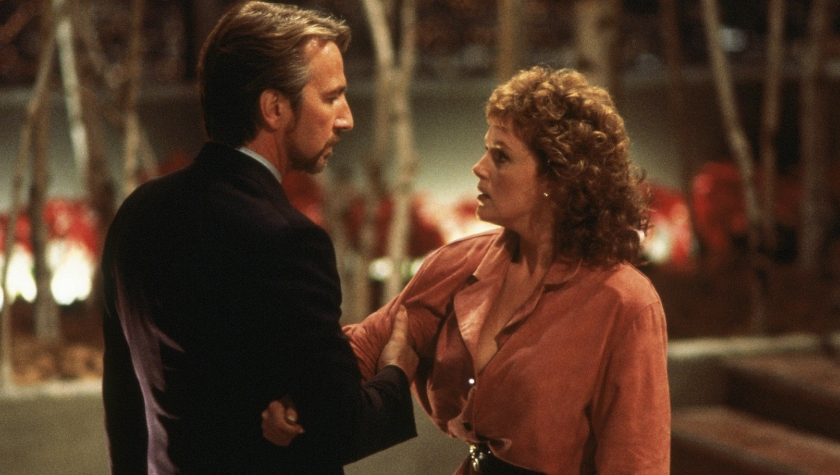
Hans Gruber’s lead henchman, Karl, emerges from the building holding a weapon. For a few brief moments, the movie throws McClane, Holly, Al, and the surrounding police back into danger. Al draws his weapon and kills Karl before Karl can kill McClane and Holly.
But the feeling of relaxation and recovery is what really makes the surprise ending work.
3. Use False Endings to Fully Complete Story and Character Arcs
False endings are an opportunity to utilize another story beat to fully complete any open story or character arcs.
In Die Hard, the false ending manages to complete one last character arc — Al’s. He previously told McClane the story of how he once shot a kid and hasn’t drawn his gun since. The moment after the false ending, when Karl violently resurrects, Al’s arc completes as he faces his fear and gets his redemption moment. We even get to see McClane and Holly drive off into the sunset as McClane reunites with limo driver Argyle.
In Alien, Ripley completes her arc by facing the alien that killed her crew face-to-face as she blows the xenomorph out into space. Then, after the false ending in Aliens, Ripley completes the story and character arc by finally trusting Bishop. Bishop redeems himself in Ripley’s eyes. Ripley saves Newt. All character and story arcs are wrapped up.
Don’t just create a false ending for the sake of shocking the audience one last time. Add story and character to give the false ending depth.
Make Sure the Real Ending Is Better than the False Ending
Now that you know what a false ending is, and how you can effectively use them in your screenplays, there’s one more important thing to mention: the real ending has to be better than the false ending.
You don’t want the reader or the audience to stop and ask, “Why didn’t they stick with the first ending? It was better.” If you’re going to take away a satisfying ending, you should replace it with something better.
The true ending should heighten the stakes, reveal something important, complete a character arc, or force the protagonist to accomplish something they couldn’t have accomplished in the false ending. This way, your audience will never be left feeling unsatisfied.